

Introduction:
- The increasing importance of sustainability in technology development.
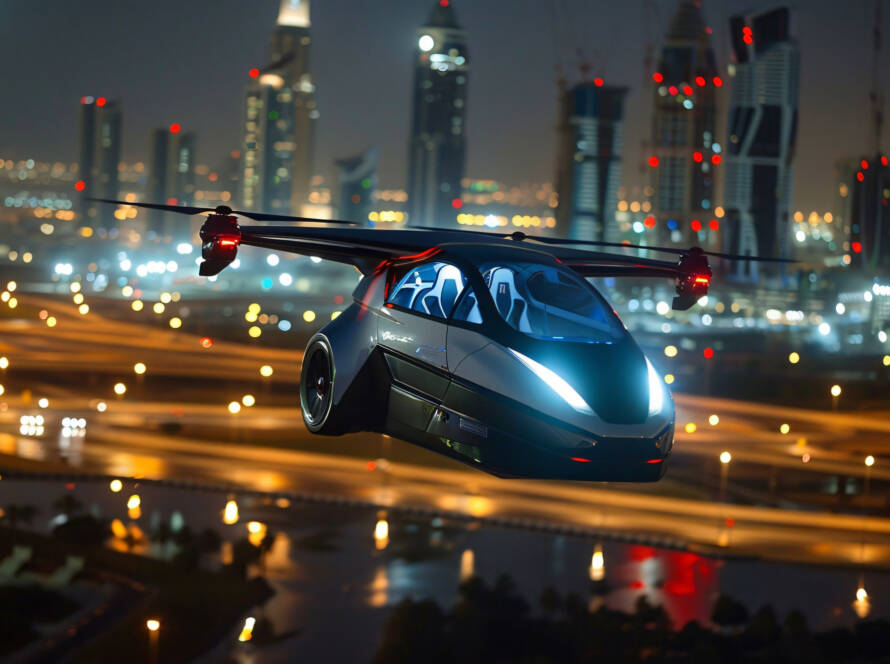
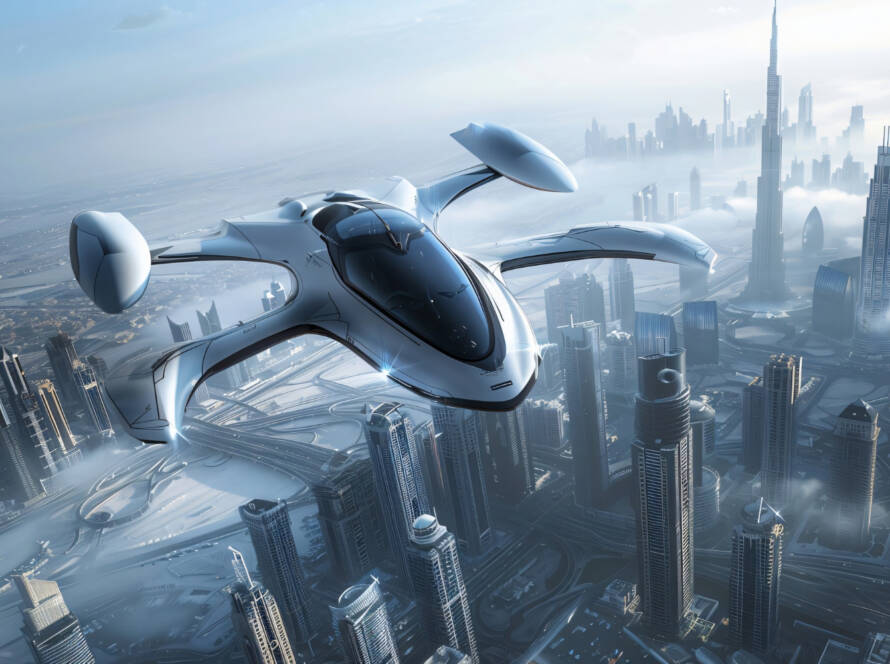
- Overview of how flying cars are being designed with environmental benefits in mind.
Body:
- The Environmental Impact of Traditional Transportation
- Statistics on carbon emissions from road transportation and air travel.
- The need for cleaner alternatives in urban mobility.
- How flying cars can reduce reliance on gas-powered vehicles.
- The Green Promise of Flying Cars
- The potential for flying cars to use electric propulsion and clean energy sources.
- How electric flying cars (eVTOLs) produce fewer emissions than traditional aircraft and cars.
- Sustainable battery technology and renewable energy sources that will power flying cars.
- Switchblade Demonstrations, Inc. Sustainable Approach to Advertising
- How Switch Blade’s Demonstrations, Inc. advertising platform aligns with eco-friendly initiatives.
- The environmental benefits of promoting green brands and sustainable technologies in the sky.
- The opportunity for brands to showcase their commitment to sustainability by using flying cars for their ads.
- Flying Cars and the Future of Urban Mobility
- The role of flying cars in decreasing traffic congestion, which will further reduce carbon footprints.
- The shift to electric infrastructure for public transportation and personal vehicles, leading to cleaner cities.
- The possibility of flying car fleets that are carbon-neutral and part of green cities.
- A Call for Innovation in Sustainable Mobility
- The need for industry-wide collaboration to make flying cars more eco-friendly.
- Encouraging readers to consider the environmental benefits of flying car technology and aerial advertising.
Conclusion:
- The future of flying cars is not only about innovation and technology but also about building a greener, more sustainable world.
- Switchblade Demonstrations, Inc. platform offers an eco-friendly way to advertise while contributing to the rise of sustainable urban mobility.
- Call to action for readers to be part of the green future and stay updated on flying car innovations.